Nutrition
Diet and PMS – top 10 tips
Improving diet may help to relieve symptoms of PMS, here are my top 10 tips:
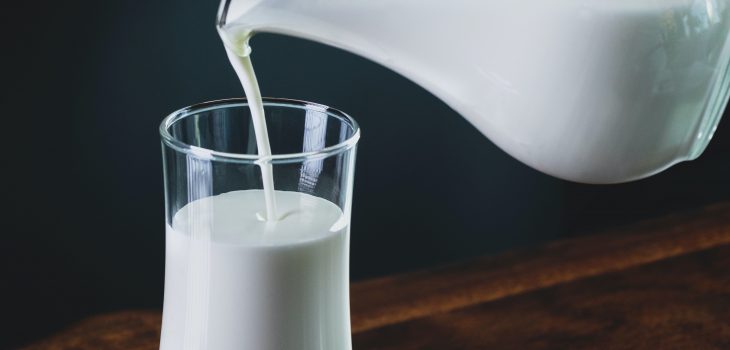
- Include 3 servings of calcium rich foods per day, research has shown people with higher intakes of calcium were less likely to develop PMS. Milk, yoghurt, low fat cheese and fortified soy milk are all good options.
- Eat regularly through the day; this balances blood sugars and helps prevent irritability.
- Include wholegrains such as brown rice, wholemeal/rye bread, wholemeal pasta, oats and grains, these contain more fibre and B-vitamins which is believed to lower PMS symptoms.
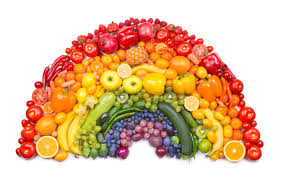
- Include plenty of fruits and vegetables, including green leafy vegetables, remembering the rule – half your plate should be vegetables/salad at lunch-time and evening meal.
- Reduce sugar; studies show that women may consume a whopping 200-500kcal extra per day during their period. Boosting serotonin with wholegrain carbohydrates rather than sugar, helps to keep blood sugars level and improve mood.
- Drink plenty of water; water retention and bloating is a common complaint during menstruation and drinking plenty of water can help to relieve these symptoms.
- Reduce salt; 75% of the salt we eat is in processed foods, pay attention to prepared foods and try and keep salt intakes low to reduce bloating.
- Be active and be a healthy weight; activity helps boost our mood and reduce stress, which has a role in PMS symptoms.
- Get enough sleep; we may feel more tired at this time and getting a little extra sleep can help make us feel better.
- Vitamin D supplement; during winter we should all take a 10micrograms a day supplement of Vitamin D to keep bones and muscles healthy.