 Nutrition
Dairy and alternatives
Are you getting anywhere near enough?
When discussing healthy eating with clients I’m always surprised to hear how little dairy or dairy alternatives are consumed. The advice for the general population is to consume 3 portions of dairy foods or dairy alternatives a day, many people I chat with only manage one – how many do you think you generally have?
What is included?
Milk and milk products,
Yoghurt,
Fromage frais,
Cheese, and
Fortified soya, rice and nut-based milk alternatives
What counts as a portion?
Milk: one glass (200ml), or the amount you might add to your cereal/porridge
Yoghurt/Fromage frais: a large pot (150-200g), plain or flavoured, but be careful of the sugar content in flavoured yoghurts
Cheese: a matchbox sized piece (30g), preferably lower fat options (Edam, feta mozzarella)
Cream cheese: one matchbox sized piece (80g)
Cottage Cheese: large portion (200g)
Why is it important?
Dairy products and their alternatives contain essential nutrients:
Calcium – for the development and maintenance of strong, healthy bones.
Protein – for growth and repair function.
Iodine – important for healthy nerve and brain function, and healthy skin.
Vitamin B12 – for healthy red blood cells and nerve function.
Vitamin B2 (riboflavin) – to help release energy from carbohydrate and protein.
Looking after your eating patterns now, can help prevent deficiencies leading to disease conditions later in life.
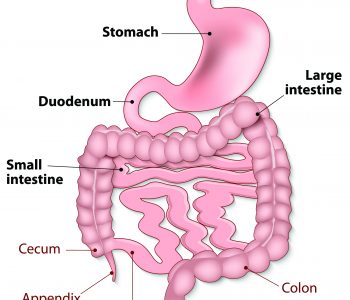
Yoghurt is also a natural probiotic, which we now know is great for our gut health, so including this into your diet can help to keep your gut bacteria is good shape.
Remember if choosing dairy alternatives make sure you choose unsweetened versions which have been fortified with nutrients such as calcium, vitamin D and iodine and remember to look at the protein content if this is a dietary concern, soya products contain a good quality protein.
Th British Nutrition Foundation provides further information: Dairy and alternatives