Nutrition
Oils and spreads
Generally, we are eating too much saturated fat and should reduce our intake and switch to healthier unsaturated versions. Oils and spreads are helpful in our diet, in cooking or to help make foods more palatable. Healthier unsaturated fats are usually liquid at room temperature and generally come from plant sources, such as rapeseed oil, olive oil and vegetable oil. However, its important to remember that all fats are high in energy and should be limited in the diet.
 Eatwell Guide – oils & spreads
When looking at this section of the Eatwell guide, I love the advice form the British Heart Foundation (BHF) on healthy eating. In their healthy weight loss guide, they advise we should limit our intake of spreading fats, oils, dressings and sauces to 2-3 portions per day. This may sound like lot, however, if you have a sandwich with 2 tsp of butter that would be 2 portions used up, so we need to take care with our daily consumption.
This picture taken from the BHF booklet clearly shows, what counts as a portion:

A portion:
- Oil: 1 teaspoon
- Butter: 1 teaspoon
- Low fat spread: 2 teaspoons
- Mayonnaise: 1 teaspoon
- Salad cream: 1 tablespoon
- Gravy or white sauce made with fat & flour: 2 tablespoons
- Gravy made with cornflour, no fat added: 4 tablespoons
- Cream (double)/crème fraiche: 2 tablespoons
Types of fats
- Monounsaturated fats: avocados, olives, olive oil, rapeseed oil, almond, cashew, hazelnuts, peanuts, pistachios and spreads made from these nuts
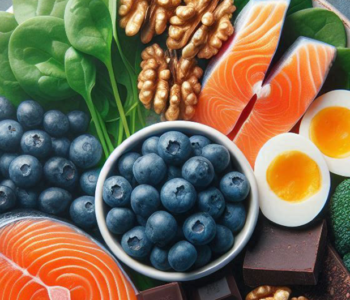
- Polyunsaturated fats: oily fish, corn oil, sesame oil, soya oil and spreads made from those oils. Flaxseed, pine nuts, sesame, sunflower seeds, and walnuts.
- Saturated fat: processed meats like sausage, ham, burgers, fatty meat, hard cheese, lard, ghee, suet, palm oil and coconut oil.
- Trans fats: fried foods, takeaways, snacks like biscuits, cakes, pastries. Hard margarines.
Top tips:
- Use a non-stick pan to reduce the need to add oil or fat
- Bake, steam, boil, and grill your foods
- Use a spray oil, such as rapeseed oil for cooking, rather than pouring from a bottle, to help control how much you use
- Try using vinegars, lemon juice, natural yoghurt and herbs to make dressings, rather than fats and oils
- Monitor your intake – mindful eating, know where your contributions are coming from