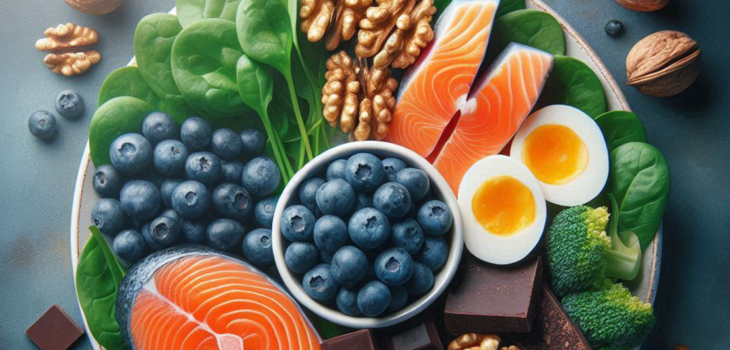
 Nutrition
Brain foods
What are the top foods for the brain?
In my line of work I often get asked this question, people are often willing to include new foods in the hope of improving their rehabilitation journey. I always reply cautiously, as there is no single ‘super food’ or miracle ingredient and it’s important to consider other lifestyle factors, such as; do you have a good routine with food?
Do you have a good sleep routine and are you getting enough sleep? What are your activity habits; do you get outside for fresh air each day? How are you feeling? Do you feel stressed in any way? There are so many contributing elements; age, gender, trauma etc….
Overall, it’s important your diet is balanced, healthy and varied. Try to include a variety of different coloured vegetables at mealtimes along with slow-release wholegrain carbohydrates such as, quinoa, oats, wild rice etc and a source of protein, such as, lentils, beans, eggs, fish or meat.
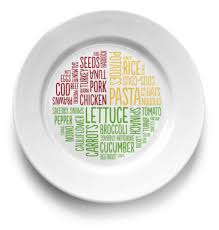
I love visuals, the plate below is a great reminder of how our meals should be portioned. People say they will only have a small serving of vegetables and this plate helps to highlight their importance.
Top Foods to include: as part of a healthy balanced diet
Oily Fish
I like to talk about fish as most people have heard at some point that fish is good for the brain! Fish, especially omega-3 rich fish (salmon, sardines, pilchards) help brain development, help reduce depression and low mood, are anti-inflammatory and thought to help reduce cognitive decline.
Just one 140g portion a week is thought adequate to provide all the omega-3 the body needs for the week.
If you’re not a fish lover, you can gain omega-3 from flaxseeds and walnuts, although the levels are lower and you would need to eat these each day.
Berries
These contain antioxidants and polyphenols known to help fight damage in the body and reduce inflammation. A serving is a handful and can be added to Greek yoghurt as a snack or added to breakfast as a great way to start the day.
Green Leafy Vegetables
Of course, we all know that we should eat our greens, these provide variety of antioxidants and nutrients such as magnesium, folate, Vitamin K, essential for clotting of the blood and bone structure.
Healthy Oils, Nuts, Seeds, Avocadoes, Olive Oil
These healthy fats are thought to be needed to help maintain the healthy cell function in the brain and another good source of antioxidants and plant foods to support gut health. All nuts and seeds are great and variety is important, but walnuts often get a special mention because they are good source of
omega-3 and may have additional benefits for the brain.
Wholegrain Carbohydrates
Especially those less processed, such as oats, rice, wild wild, quinoa, buckwheat, spelt and rye provide a steady supply of energy. The brain uses more energy than any other organ in the body,
accounting for more than 20% of our intake, despite only accounting for 2% of our body weight. Carbohydrates are the brains preferred source of energy, wholegrain versions help to maintain stable blood sugar and energy levels throughout the day.
Meat, Fish, Eggs, Beans, Lentils, Nuts, Seeds
Protein foods provide essential amino acids which are needed for the body to build protein and function and constantly repair itself. The body also needs protein for the production of neurotransmitters, the body’s chemical messengers, such as dopamine, serotonin and GABA etc, ensuring the brain and body function correctly to maintain good health. Eggs are a particularly good source of chlorine as well as carotenoids, lutein and zeaxanthin, which are all thought to be beneficial for the brain.
Fluid/Water
It’s important to remain hydrated, the cells in your body contain a high level of moisture and its important to keep all the mucous membranes moist, important for the blood and kidney functions. Studies have shown that keeping hydrated is important for alertness and concentration and helps to prevent constipation. We gain a level of fluid from the foods we eat and then need to drink fluid, water being an ideal contributor to this, but other fluids do count, such as tea, coffee, milk, juice etc.
Gut Health
The gut is often referred to as the second brain and an important part of our immune system. We now know the gut and brain have direct communication links via the vagus nerve, so looking after our gut also helps the brain and body. Include prebiotics each day to feed the bacteria in the gut. Prebiotics are found in plant foods, such as fruit and vegetables, nuts and seeds, wholegrains, beans and pulses and herbs and spices. Also include probiotics, which contribute to the healthy bacteria in the gut, probiotics include; live natural yoghurt, fermented foods, such as kefir, kimchi, sourcrout and kombucha (see previous article on gut health, pre and probiotics).
Turmeric
I’m often asked about turmeric as some research has shown a link between curcumin, the active ingredient in turmeric, and memory function and cognition. It antioxidant and anti-inflammatory properties could be beneficial.
It may be we need to include far more in our diet than would be the norm, but including spices in our cooking is beneficial for the gut and general health, so lets keep adding them and await further research on specific benefits for the brain.
You may have noticed from the list above; we’ve basically covered a good majority of foods that make up a healthy balanced diet. In a nutshell, foods that are good for the brain are also good for the body, heart and gut, everything.
Eating well, cooking fresh wholesome food and reducing ultra processed manufactured food is beneficial to everyone, whilst it can also support our brain function and recovery after injury.

 Eatwell Guide – oils & spreads