 Nutrition
Healthy Eating for Diabetes
Many people with type 2 diabetes and are struggling with their weight and understanding which foods to eat, here is some practical advice to help get you on the right track.
Background to Diabetes
Type 2 diabetes is a condition where a persons blood sugar becomes too high and the hormone insulin which is responsible for controlling the level of sugar in the blood is no longer doing this correctly. In type 2 diabetes the pancreas doesn’t produce enough insulin or the body’s cells don’t react correctly to the insulin. This means the sugar stays in the blood and isn’t used to fuel your cells like its designed to. Often the body tries to get rid of the excess sugar in the urine, meaning people can feel thirsty from the excess urinating and very tired.
Currently there are 4 million people are estimated to have diabetes in the UK with 700 new cases diagnosed every day and an estimated 500,000 people have the condition but are undiagnosed.
Diet for diabetes
A well-balanced diet plays a crucial role in managing diabetes and keeping blood sugar levels stable.
While medication may be necessary, making the right food choices can significantly improve your overall health and may even help reduce your reliance on medication over time.
A diabetes-friendly diet can support better blood sugar control, reduce complications and enhance your well-being. From choosing the right carbohydrates to balancing nutrients effectively, Healthwise Nutrition one-to-one diet planning service will help you take charge of your health through mindful eating.
How can diet help?
If you’ve been prescribed medicine to help control your blood sugar levels its important to use this and monitor yourself regularly, however controlling your diet and following the tips included in this article will help you control your blood sugar levels and possibly eventually (with medical support) reduce your medication.
Healthy eating for diabetes
Its important to enjoy food and eat a wide variety of food to ensure you obtain all the necessary nutrients, however some food are going to help control your blood sugar better than others. So here is a little science to help:
Food which are protein based (meat, fish, eggs and beans) are broken down into amino acids in the body and used to supply our muscles, a little can be used for energy and a small amount is stored in our muscles, the rest is broken down and excreted out in our urine (people who drink protein shakes generally will just have the excess protein in their urine – expensive wee!).
Fat based foods (butter, oil, fat on meat, nuts, seeds, cheese [protein & fat]) are broken down into fatty acids and used for energy and the excess is stored as fat.
Carbohydrate based foods are broken down into (glucose) sugars and used as energy. Carbohydrates are the bodies preferred energy source, however if you are diabetic to use the sugar as energy you need insulin (therefore medication). Excess carbohydrates, those not needed for energy, are stored as fat in the body.
An option for people with diabetes is to reduce the amount of carbohydrates consumed and therefore reduce the need for medication. We also now know that if someone is overweight the excess fat in our body can only be mobilsed and burnt for energy if we don’t have insulin and sugar circulating in our system, hence why many diabetics are overweight.
The difficulty is that many food contain more than one macronutrient, ie. Cheese contains fat and protein, a doughnut contains carbohydrate (sugar) and fat. With diabetes its important you avoid any refined carbohydrates, these are the ones which are quickly absorbed by our bodies , often referred to as ‘white products’ – white bread, rice, pasta. Instead stick to wholemeal versions and only have a small amount.
A days example intake could be:
Breakfast
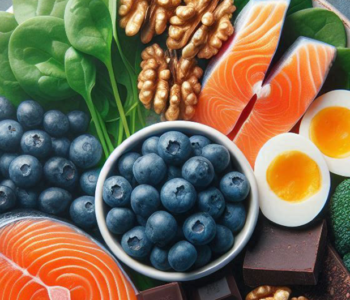
2 boiled eggs and a slice rye bread toasted with a little butter
Lunch
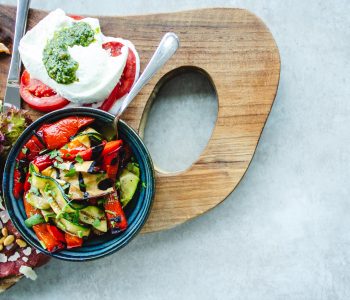
Chicken salad with chicken breast, colourful mixed salad leaves, peppers, cucumber, tomatoes, avocado and drizzle balsamic vinegar
Evening meal
Salmon fillet topped with a tbls pesto, grilled and served with a selection of roasted vegetables such as; courgette, butternut squash, pepper, red onion and cherry tomatoes and 1 tbls wild rice.
Greek yoghurt, natural plain yoghurt with handful blueberries and tablespoon pumpkin seeds
Snacks
Brazil nuts, ½ avocado eaten from its shell, Plain Greek yoghurt
The emphasis on this plan is to provide a low glycaemic index, meaning the food will slowly be digested and not cause a sudden spike in blood sugar levels and an overall reduced carbohydrate content to help reduce the need for insulin, containing healthy fats and proteins, which help to keep us full for longer.
Feedback from a client with serious injury and diabetes:
I have been working with Dr. Lisa Gatenby for about 3 months, all the resources and items she provided me with were truly very useful and they have helped me keep on top of my dietary needs. Lisa has paid attention to what I wanted to achieve. Not only has Lisa has paid her full attention to all of the above, she has helped me to overcome the diabetes. Today, I have received my blood test results, and I have been qualified as a NOT diabetic, anymore! Due to Lisa’s help, I fully understand now, that the food I fuel my body with is truly important.